
COAM machines for Georgia billiard and pool halls
Yes. Pool halls can hold a Class B location license. A pool hall may already have COAMs without thinking of them that way: coin operated pool tables count, as Class A machines (O.C.G.A. § 50-27-70; GLC guide). Adding Class B machines changes which license you need, and up to nine are allowed.
 By Justin Gilmore Last reviewed: November 6, 2026 3 min read
On this page
Are my pool tables COAMs?
Coin operated ones are. Georgia's list of bona fide coin operated amusement machines includes "coin operated pool tables or coin operated billiard tables" (O.C.G.A. § 50-27-70), and the Georgia Lottery gives "pool tables that accept coins or bills" as an example of a Class A machine (GLC guide). A table rented by the hour with no coin mechanism doesn't appear to fit that wording.
The annual location fee is $25 per Class A machine and $125 per Class B machine (GLC guide).
Which license do I need for both?
A business with both Class A and Class B machines must apply for a Class B license (GLC guide). Class A machines have no state limit at a location, while Class B machines are limited to nine (GLC FAQ). So your tables don't count against the nine. See Class A vs. Class B machines.
Is a pool hall exempt from the nine-machine limit?
Almost certainly not. The nine-machine limit doesn't apply to an "amusement or recreational establishment," but the statute defines that as an open-air establishment in a licensed fixed location that has been operating for at least 35 years (O.C.G.A. § 50-27-84). An indoor pool hall doesn't fit that wording.
How does the 50% rule fit a pool hall?
Your share of Class B revenue can't be more than 50 percent of your gross retail receipts, meaning revenue from the sale of goods and services (O.C.G.A. § 50-27-84). Food, drinks and table time look like they count. Whether money from coin operated tables counts on the sales side is less clear, so ask. The Georgia Lottery reviews your sales against your share of machine revenue, so keep machine money separate (GLC notice). See the 50% rule, explained.
What should I check locally?
If you serve alcohol, read COAMs and your liquor license first. Local rules can add a cap, an attendant, plain-view placement and distance limits, and Lilburn keeps anyone under 16 off licensed premises during school hours. Check local COAM rules. Georgia also has a separate chapter on billiard rooms, O.C.G.A. Title 43, Chapter 8, which we haven't reviewed here.
Questions from pool hall owners
Do jukeboxes count too?
Yes, as Class A machines, along with typical arcade games (GLC guide).
Will Class B machines change who can come in?
That depends on local rules. We've read at least one ordinance that limits minors during school hours (Lilburn ordinance). Check yours.
Check my venue
No fee to you. Nothing is shared until you send.
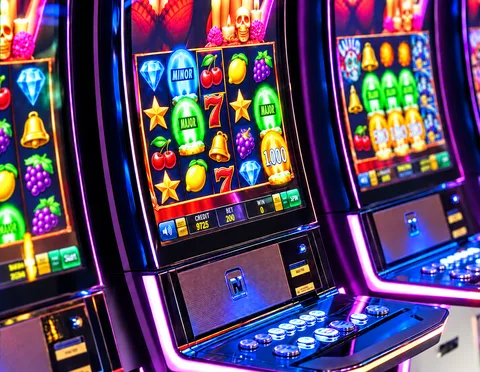
Behind this form: example game screens. Georgia prizes are non-cash: gift cards, lottery products or replays.
Sources
- Lottery for Education Act, O.C.G.A. §§ 50-27-70 and 50-27-84, checked November 5, 2026
- GLC Location License Holder Guide, version 1.02, checked November 5, 2026
- GLC FAQ for location license holders, version 7.0, checked November 5, 2026
- GLC notice: Gross Retail Receipts Rule and Accurate Reporting, checked November 5, 2026
Before you rely on this page
We wrote this page in good faith from the sources linked above, and it reflects our understanding as of the last reviewed date. It's general information, not legal advice for your business. Rules can differ by county and city and can change. Check with the Georgia Lottery or your own attorney before you act on it.
Last reviewed: November 6, 2026