
What are Class B COAM machines?
Class B COAMs are coin operated amusement machines, licensed through the Georgia Lottery, where a player can build up points and win limited non-cash prizes. They look like the video game cabinets you've seen in Georgia stores and bars, and they aren't casino machines.
 By Justin Gilmore Last reviewed: November 5, 2026 3 min read
On this page
What does COAM stand for?
Coin operated amusement machine. Georgia law's full term is bona fide coin operated amusement machine, and Class B is the category where a successful player can accrue points and carry them over to later plays (O.C.G.A. § 50-27-70). See Class A vs. Class B machines.
What do they look like, and how does play work?
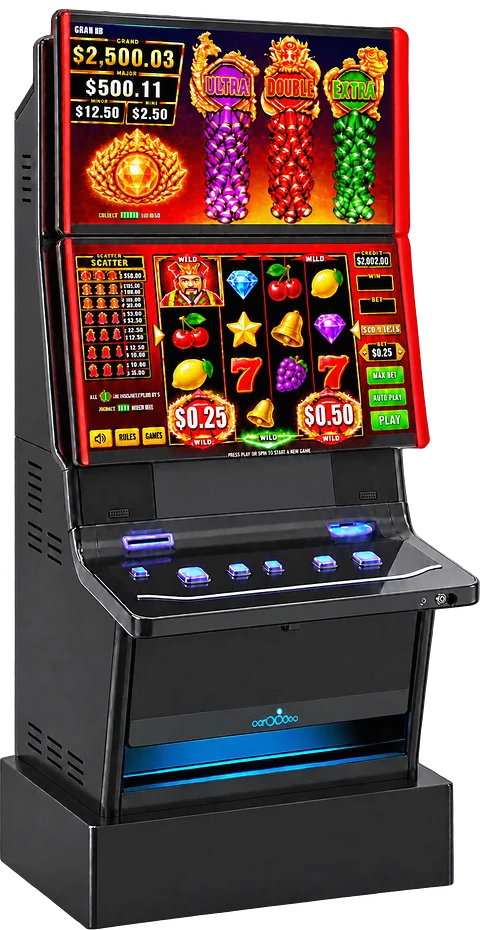
Usually an upright cabinet with a video screen, often in a row along a wall. The Georgia Lottery describes them as line-up or match-up video games requiring some skill, where points carry over (GLC FY2026 financial statements). A player puts money in, plays, and any points won can carry forward or be taken to the counter for a prize. That's as far as this guide goes: we don't cover games or brands, or offer tips on playing.
What COAM machines look like
Illustrations of example cabinets, not a specific venue, city or operator's install. COAM Placement doesn't make, own or operate machines. Georgia prizes are non-cash: gift cards, lottery products or replays, whatever a screen shows.
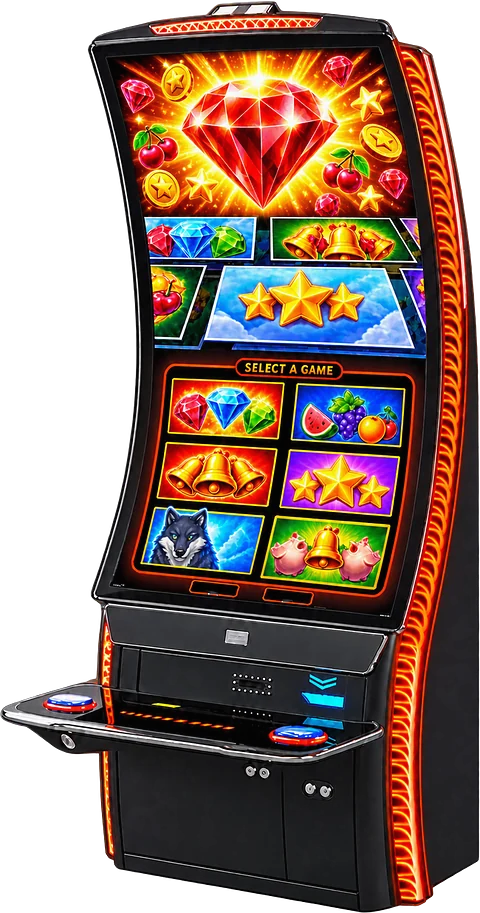
Illustration: example Class B cabinet with a curved screen and a game menu 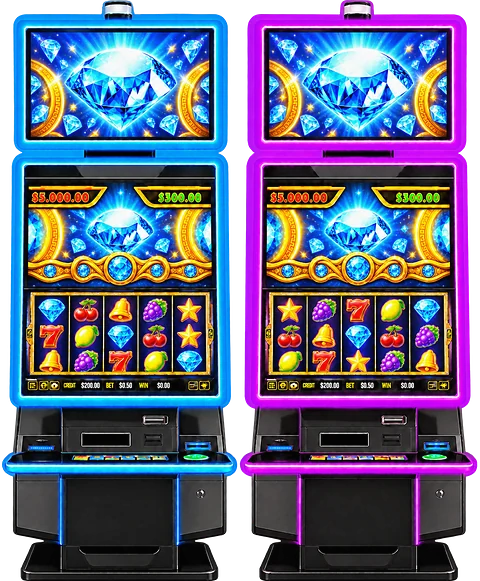
Illustration: example Class B cabinets, side by side 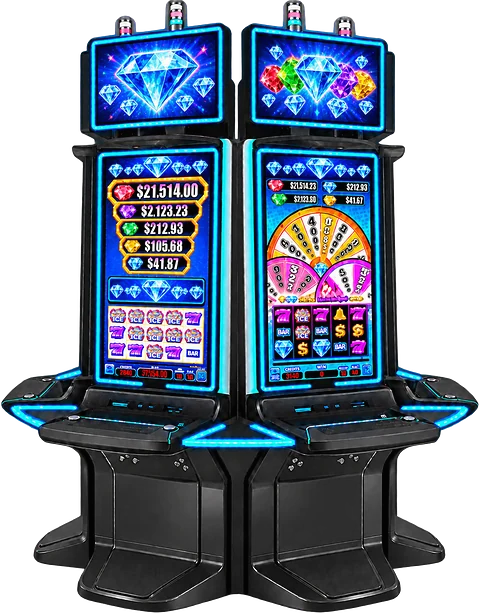
Illustration: example Class B cabinets, back to back on one base 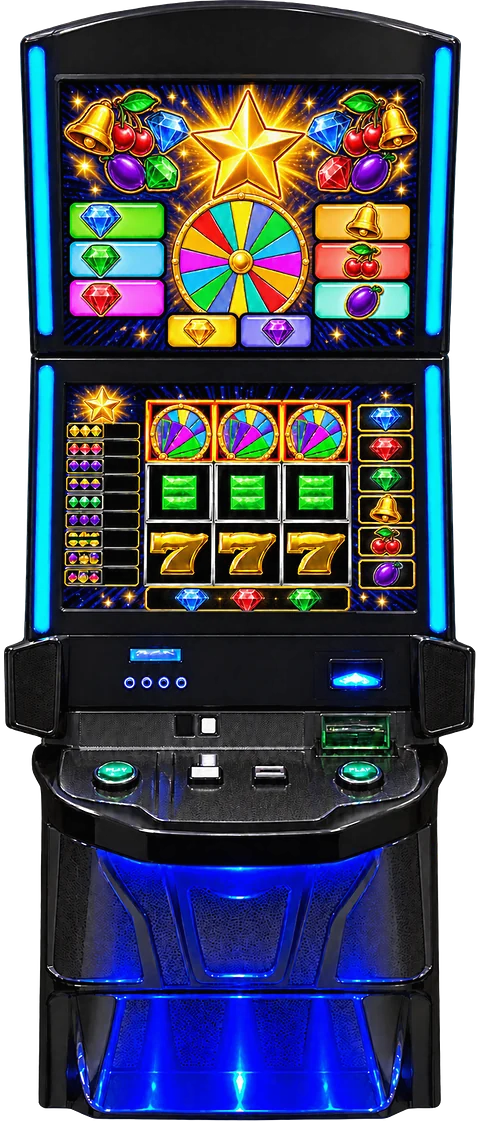
Illustration: example slim Class B cabinet for a tighter floor 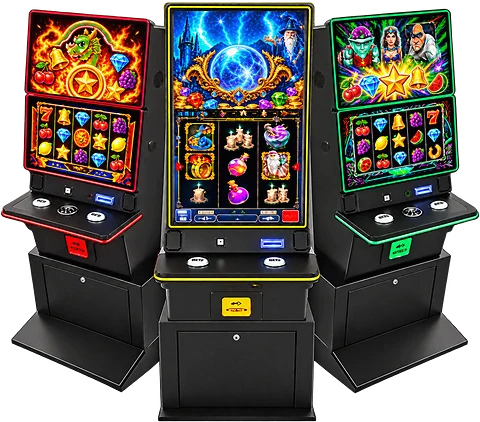
Illustration: example bank of three Class B cabinets 
Illustration: an example game room layout
How do prizes work?
Since July 1, 2026, the only Class B prizes are replays, lottery products and gift cards (GLC notice). Cash is never allowed, and a location or clerk that gives cash is breaking the law (GLC guide). See how prize redemption works now.
Why aren't they casino slots?
Because Georgia's law treats them differently, on conditions. A legal Class B machine has to fit the state's definition, be licensed, be connected to the state's Central Accounting System, and pay only allowed non-cash prizes. A machine that pays cash, or that's outside those conditions, isn't a legal COAM (Lottery for Education Act; GLC guide).
That's also why the Georgia Lottery says words like "casino" and "slots" shouldn't be used on COAM signs (GLC guide).
What do the nicknames mean?
Nicknames aren't legal categories. Use the license and the decal on the machine, not the name.
| What people say | What it usually means |
|---|---|
| Ding ding machine | A Class B COAM, in casual speech |
| Skill game | An informal label. The legal question is whether the machine meets the definition and is licensed |
| Slot or slots | Casual speech, but legally different: casino slot machines are illegal in Georgia |
| Fish game | A game style. The Georgia Lottery has issued a notice on these, so ask before assuming it's allowed |
Who owns and runs the machines?
A master licensee owns, places and maintains them, under a written agreement with the location. The location holds its own license, handles redemption and keeps a share of net revenue that's set by law (Lottery for Education Act). See what machines earn and the plain answer on slot machines in your business.

Check my venue
No fee to you. Nothing is shared until you send.
Behind this form: example game screens. Georgia prizes are non-cash: gift cards, lottery products or replays.
Sources
- O.C.G.A. § 50-27-70, definitions, in the Lottery for Education Act, checked November 5, 2026
- GLC FY2026 financial statements, checked November 5, 2026
- GLC notice: COAM Prize Redemption Changes Effective July 1, 2026, checked November 5, 2026
- GLC Location License Holder Guide, version 1.02, checked November 5, 2026
Before you rely on this page
We wrote this page in good faith from the sources linked above, and it reflects our understanding as of the last reviewed date. It's general information, not legal advice for your business. Rules can differ by county and city and can change. Check with the Georgia Lottery or your own attorney before you act on it.
Last reviewed: November 5, 2026